Crucified?
From A collection of short essays. Project references reflect the source essay; see our current status.
What does this word mean? Well, the centre or root of the verb is the Latin noun ‘crux’, so now the verb is considered to mean ‘crossified’ or ‘to be strung up on a cross’. But the New Testament wasn’t written in English (or Latin). So what Greek word does it translate?
Well the Greek word σταυρόω (stauroō) means ‘to build a picket fence’, or in hand-fighting days, ‘to fence with stakes’. For New Zealanders, this drawing of palisades might give the idea:
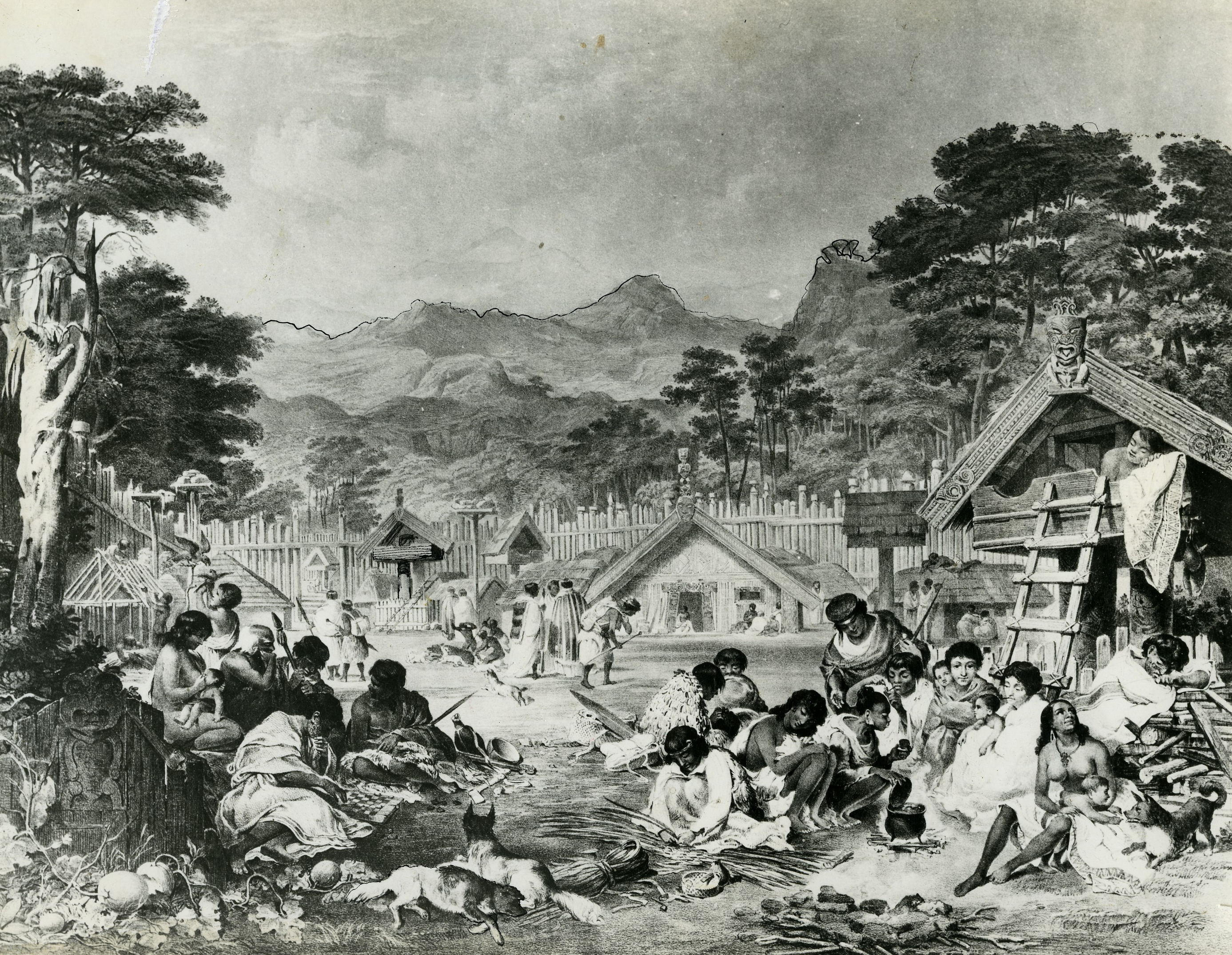
So the centre or root of the Greek verb is the noun that means ‘stake’.
Now execution on a stake was something that the cruel Persian armies used, but we understand that the Romans perfected it, especially as a method of torture where the victim would often take quite some days to die.
It’s certainly possible that there was a cross-bar at the top (T-style) or part-way up (t-style) or X-style, but the Bible doesn’t state that. The Romans used several styles including executing people upside-down. So the Open English Translation uses the wordy ‘executed on a stake’ to allow for all the real possibilities.
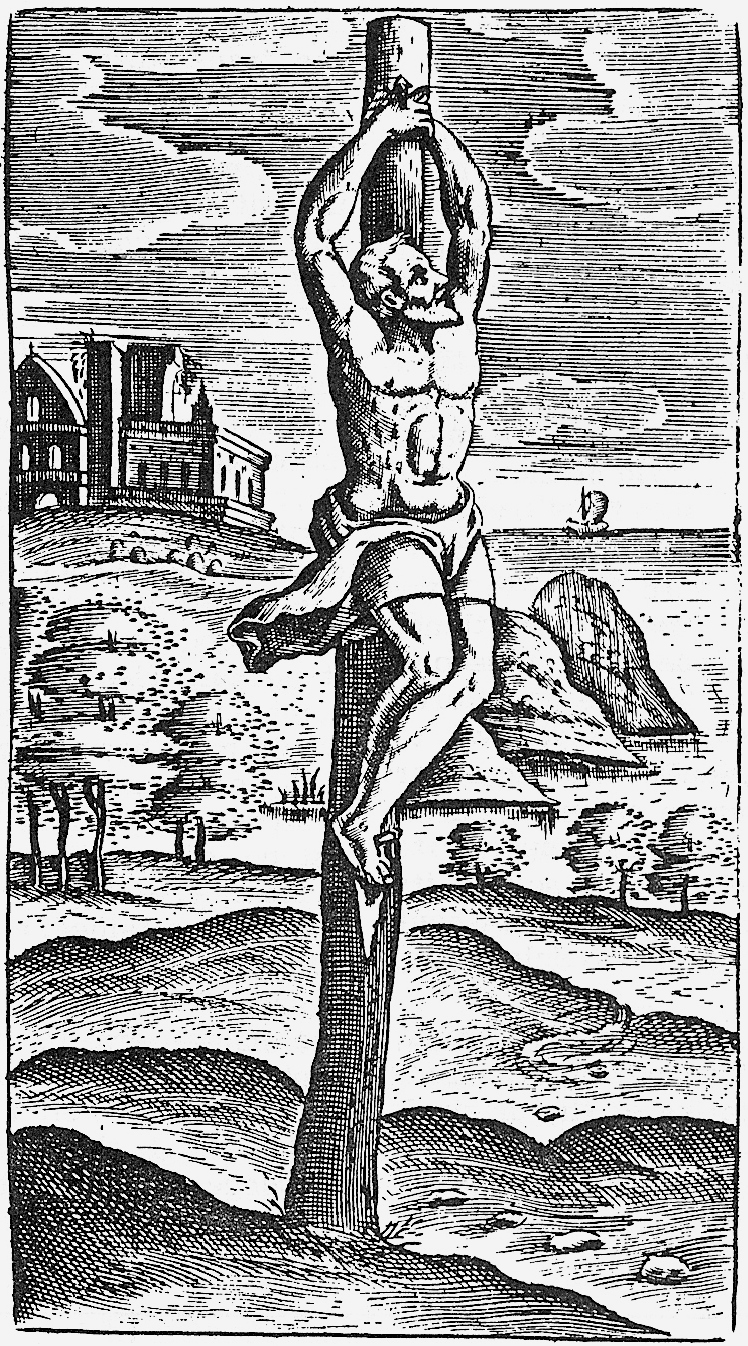
Anyway, hopefully that nice silver cross hanging around your neck on a chain could well be the correct torture instrument. 50-50 perhaps???
The Open English Translation seeks accuracy over tradition for a new generation of truth seekers.
Illustrations from https://en.wikipedia.org/wiki/Crucifixion